The Future of Spaceflight: Ten Things to Watch in the Next Decade
Mars cargo missions, lunar bases, fully reusable Starships, kilometer-class orbital telescopes, and asteroid mining. The space milestones plausible by 2035.
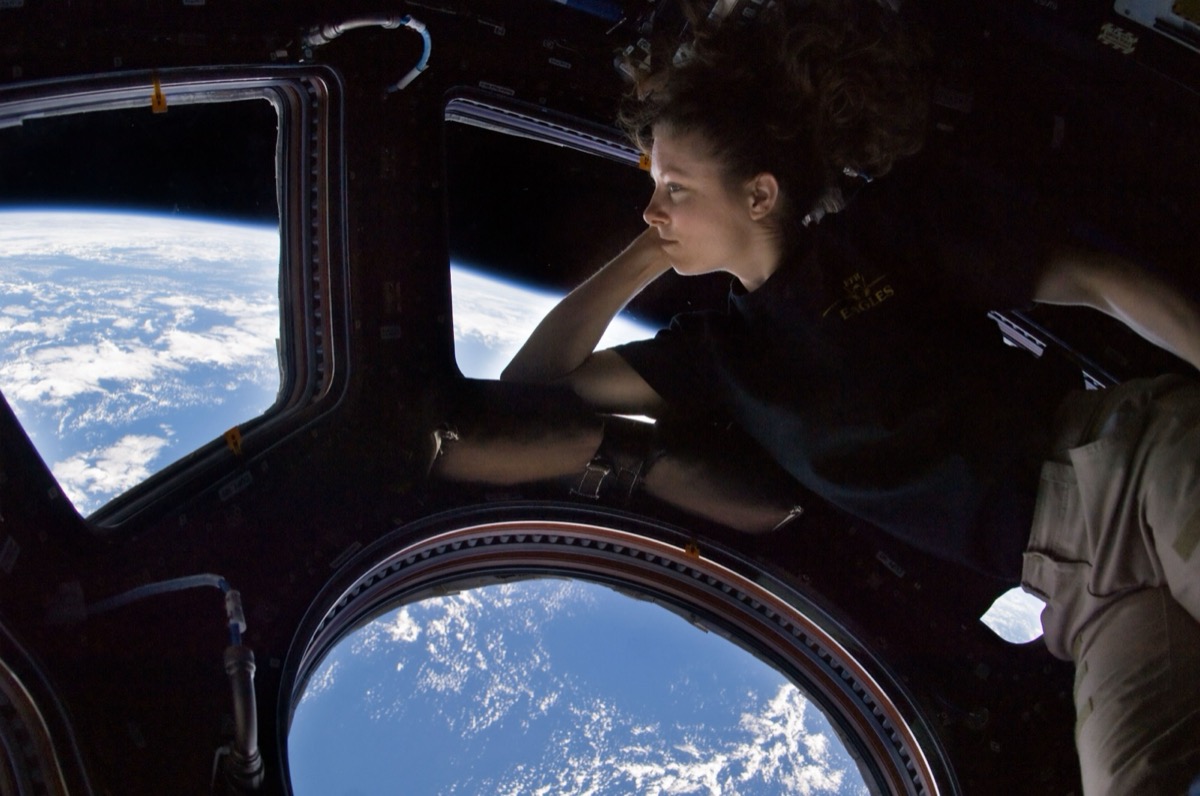
Space changed more in the 2020s than in the previous three decades combined. The 2030s look likely to repeat that — but with different protagonists. Here are ten things plausibly happening within ten years.
Ten things to watch
- Crewed Mars cargo missions — uncrewed Starship landings on Mars to pre-position infrastructure, even if crewed flights take longer.
- A first lunar base — multiple Artemis missions building toward a sustained habitat at the south pole.
- Fully reusable Starships flying weekly — turning launch from a discrete event into a continuous operation.
- Commercial space stations replacing the ISS — Orbital Reef, Starlab, Axiom, or Vast operating with paying customers.
- Direct-to-cell satellite calls everywhere — Starlink, AST SpaceMobile, and others making "no signal" disappear.
- Kilometer-scale space telescopes — successors to JWST and Roman, like the Habitable Worlds Observatory, designed to image exoplanet atmospheres directly.
- Lunar rover constellations — multiple commercial and government rovers operating simultaneously near the south pole.
- Asteroid sample return missions becoming routine — Japan, China, NASA, and commercial efforts continuing.
- Orbital manufacturing — pharmaceutical, fiber optic, and crystal manufacturing flying on commercial stations.
- A radio telescope on the lunar far side — a permanent radio-quiet observatory free from Earth-side interference.
What probably will not happen by 2035
- Permanent crewed Mars base (later than 2035, almost certainly).
- Asteroid resource extraction at scale (technology demos likely; commercial operations later).
- Space elevators (still beyond known materials science).
- Faster-than-light travel (definitely not).
Why this decade feels different
Three structural changes converged: launch cost dropped tenfold from reuse, NASA shifted from cost-plus to fixed-price contracts, and venture capital recognized space as an investable category. The result is more launches per year than in any prior decade — and the cadence accelerating.
How to follow it all
Apps like Launchcast aggregate launches, mission events, and live broadcasts. Daily reading: NASA Spaceflight forums, Eric Berger at Ars Technica, Marcia Smith at SpacePolicyOnline, and the actual launch operators' technical updates. The most exciting decade in spaceflight is happening live, and the hardest part is keeping up.
Frequently asked questions
When will humans live on Mars?
No firm date is set. Plausible scenarios put first crewed landings in the late 2030s or 2040s; permanent residence later still.
Will space tourism become affordable?
Suborbital tourism is shifting toward $250K-500K per seat. Orbital tourism remains in the millions. Both will continue dropping with reuse.
Could private companies replace NASA?
Unlikely in the science and exploration domain. Commercial companies excel at routine operations. Pure-science missions to outer planets and deep space remain government-led.
Get every launch in your pocket.
Real-time alerts, live ISS tracking, AR sky mode, and synchronized T-0 haptic across every device worldwide.
Download on the App Store