Cryogenic Propellants: Why Rockets Run on Liquid Cold
Liquid oxygen at -183 °C, liquid hydrogen at -253 °C, liquid methane at -162 °C. Why rockets need cryogenics, what it takes to handle them, and where the engineering pays off.
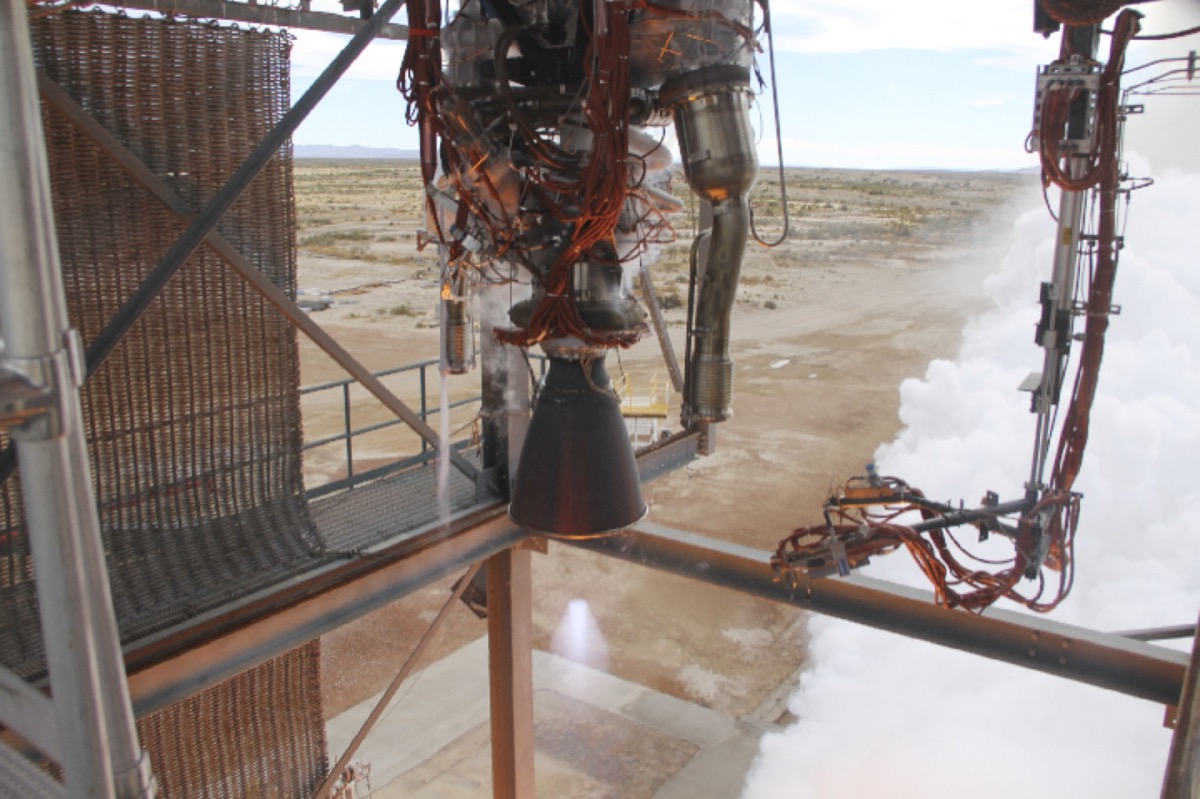
Most modern rockets use cryogenic propellants — fluids stored well below room temperature. The reason is density. Gases take up too much volume to be useful as rocket fuel; liquefying them lets you fit far more propellant in the same tank. Here is what each cryogen brings to the table.
Liquid oxygen (LOX)
Stored at -183 °C. Pale blue. The most common rocket oxidizer. Reacts with most fuels to release tremendous energy. Tanks must be insulated, valves must be made of compatible metals, and handling crews must be trained to recognize the unique hazards of supercold liquid that boils on contact with anything warm.
Liquid hydrogen (LH2)
Stored at -253 °C — only 20 °C above absolute zero. The lowest density of any liquid fuel. Highest specific impulse with LOX of any chemical pair. But the tanks are huge, the boiloff is significant, and hydrogen embrittles many metals. Saturn V, Space Shuttle Main Engine, SLS RS-25, and Ariane 6 use hydrolox.
Liquid methane (LCH4)
Stored at -162 °C. Cleaner-burning than kerosene, denser than hydrogen, and produces less coke (carbon residue) — a major advantage for engine reuse. Starship Raptor, BE-4, and Vulcan all use methalox. Methane can also be produced on Mars from CO₂ and water, making it the propellant of choice for return missions.
What about kerosene?
Kerosene (RP-1) is liquid at room temperature, so technically not cryogenic — but it is paired with LOX, which is. Falcon 9 Merlin, Saturn V F-1, Soyuz, and many others use kerolox. Dense, storable, well-understood, but produces significant soot in the engine.
- LOX boiling point
- -183 °C (90 K)
- LH2 boiling point
- -253 °C (20 K)
- LCH4 boiling point
- -162 °C (111 K)
- LOX density
- 1,141 kg/m³
- LH2 density
- 71 kg/m³ — extremely low
- LCH4 density
- 422 kg/m³
Boiloff: the engineering headache
Cryogenics absorb heat from anywhere they can — the air, the tank walls, sunlight. They evaporate. Rockets vent constantly during fueling. For deep-space missions, boiloff means propellant runs out faster than expected. Future depot architectures rely on active cooling and zero-boiloff designs to keep propellants useful for months in orbit.
Frequently asked questions
Why is liquid hydrogen so cold?
Hydrogen is the smallest molecule and only liquefies at very low temperatures. -253 °C is just 20 °C above absolute zero — the second-coldest liquid known.
Are there storable rocket propellants?
Yes — hypergolic propellants like hydrazine and nitrogen tetroxide are liquid at room temperature and ignite on contact. Used in spacecraft thrusters and some rockets (e.g., Long March 2F).
Why doesn't SpaceX use hydrogen for Starship?
Hydrogen tanks would be enormous given Starship's size. Methane is denser, easier to handle, produces less soot, and supports Mars in-situ propellant production.
Get every launch in your pocket.
Real-time alerts, live ISS tracking, AR sky mode, and synchronized T-0 haptic across every device worldwide.
Download on the App Store