How Many Satellites Are In Orbit? A 2026 Reality Check
In just five years the satellite count tripled. Where the boom is happening, who owns what, and what it means for the night sky.
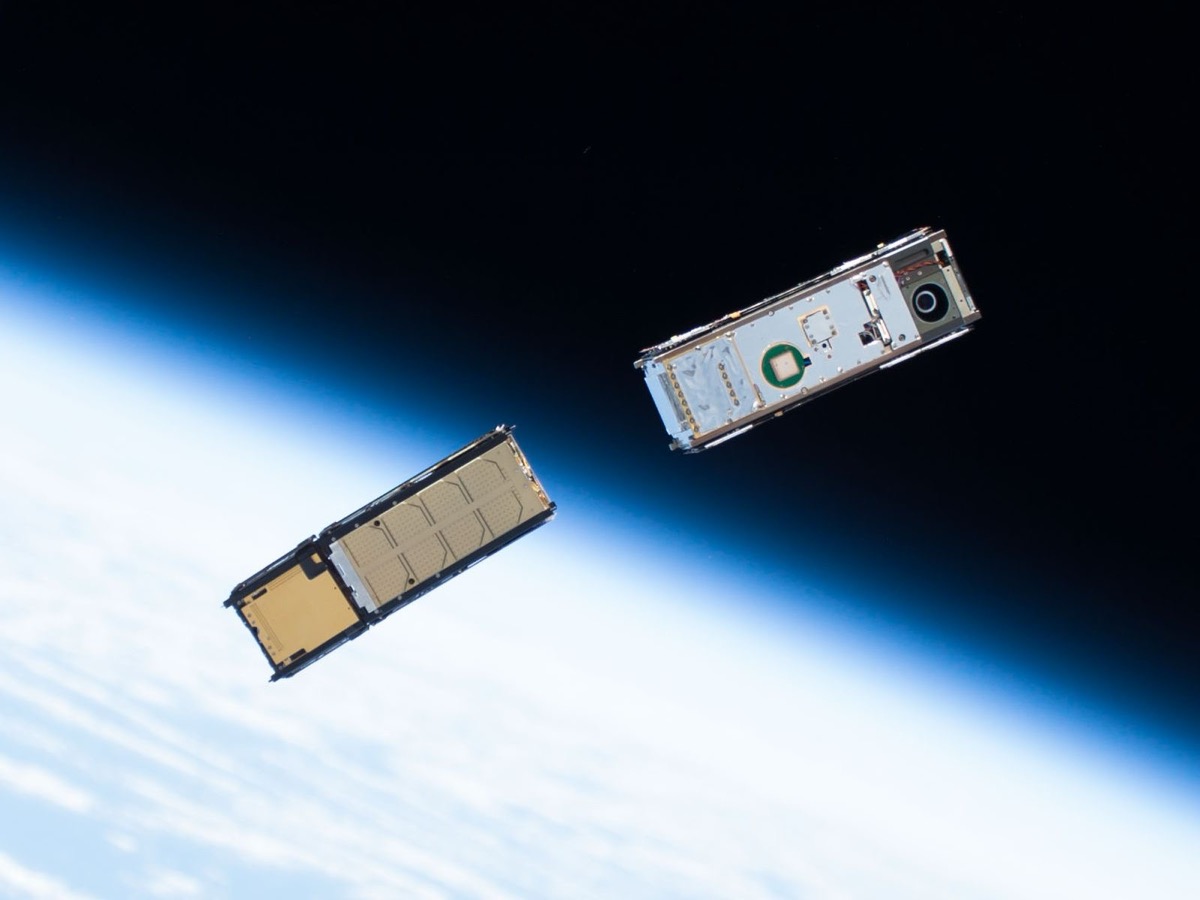
In 2020 there were roughly 3,400 active satellites in orbit. By 2026 the number has crossed 12,000, with launch cadence still accelerating. The vast majority of new satellites are commercial broadband — mostly Starlink — operating in low Earth orbit at altitudes under 600 km.
Who owns the orbits
- SpaceX (Starlink)
- ~7,000+
- China constellations (Guowang, G60, etc.)
- ~1,500
- Planet Labs imaging
- 200+
- OneWeb
- 648
- Iridium
- 75
- Project Kuiper
- ~900 by mid-2026 target
- Government, scientific, military
- ~2,500
Why the count is exploding
- Reusable rockets dropped launch cost per kilogram by an order of magnitude.
- Mass-produced satellite bus designs make 50+ satellites per launch routine.
- Broadband demand is functionally unlimited — every continent has underserved users.
- Geopolitics: many nations want sovereign LEO constellations for strategic reasons.
What this means for astronomy
Satellite trails on telescope images have become a measurable problem for ground-based astronomy. SpaceX added DarkSat coatings, sun visors, and changed orientations to dim Starlinks. The Vera C. Rubin Observatory is designing image processing software specifically to subtract satellite trails.
Is space crowded?
Space is enormous, but useful orbital shells are narrower. The 540 km Starlink shell, 1,200 km OneWeb shell, and the 800-1,000 km imaging shells get crowded enough that automated collision avoidance is now routine. Active LEO satellites perform thousands of conjunction maneuvers per year.
Frequently asked questions
Can I see how many satellites are overhead right now?
Yes — apps like Launchcast track every active satellite and let you see what is passing overhead in real time.
How fast does a satellite orbit?
In low Earth orbit, about 27,500 km/h, completing an orbit every 90-95 minutes.
Are there satellites you can see with the naked eye?
Yes — the ISS is the brightest, plus newly deployed Starlink trains, Tiangong, and many large LEO satellites at dusk.
Get every launch in your pocket.
Real-time alerts, live ISS tracking, AR sky mode, and synchronized T-0 haptic across every device worldwide.
Download on the App Store