SpaceX Crew-9: How NASA Brought Two Stranded Astronauts Home
When Boeing Starliner could not safely bring its crew home from the ISS, SpaceX Crew-9 delivered a rescue plan. The full story of the most-watched ISS handoff in years.
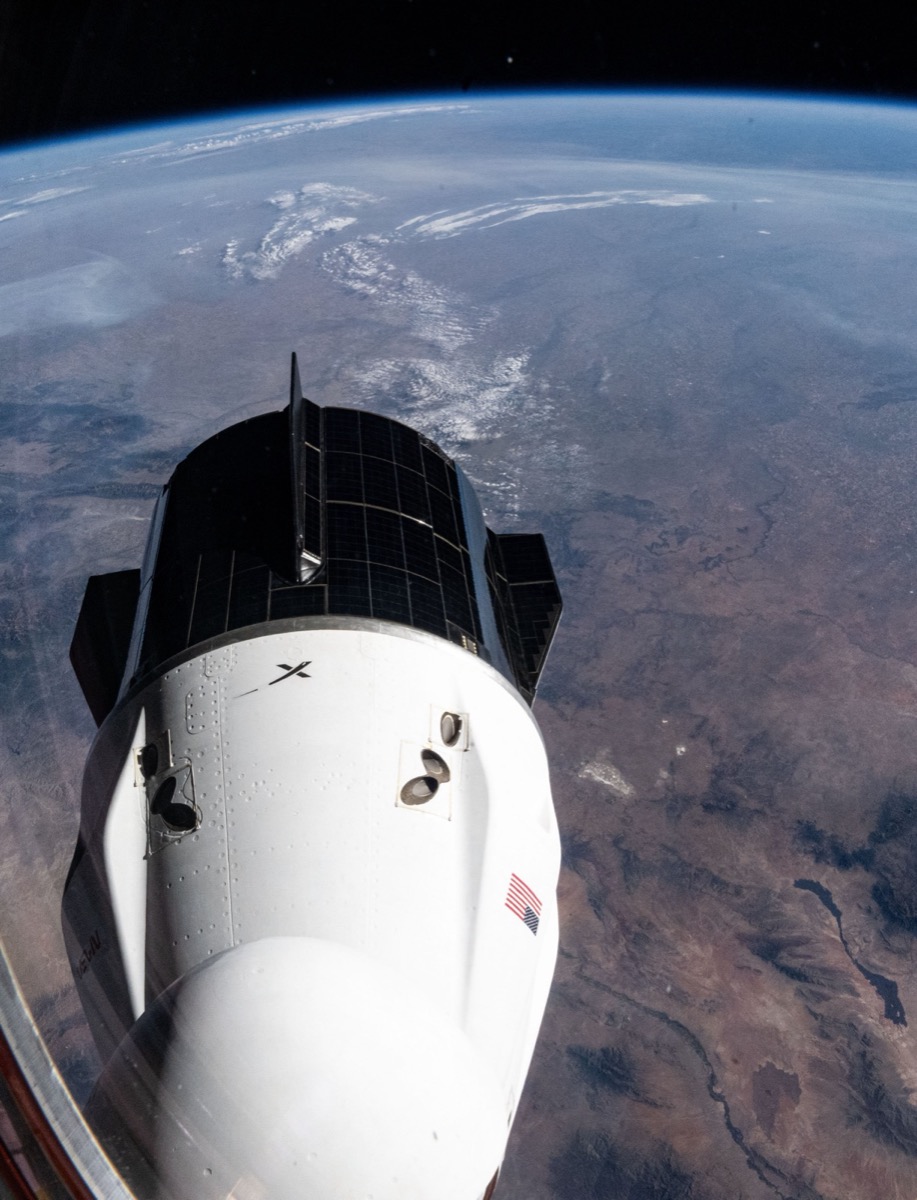
Crew-9 launched in September 2024 with two astronauts instead of four — leaving two seats open to bring home Boeing Starliner crew members Butch Wilmore and Suni Williams, whose spacecraft was deemed too risky to fly them back. They returned in March 2025, ending a saga that put NASA's redundancy strategy on trial.
How the situation arose
Wilmore and Williams launched on Starliner Crew Flight Test in June 2024. Helium leaks and thruster anomalies during rendezvous raised concerns about the propulsion system's ability to perform the deorbit burn safely. NASA decided in late August to send Starliner home uncrewed and reassign the astronauts to Crew-9.
The Crew-9 reshuffle
- Crew-9 launched with NASA's Nick Hague as commander and Roscosmos cosmonaut Aleksandr Gorbunov as mission specialist — only two seats filled.
- Two empty seats waited for Wilmore and Williams to fly home in early 2025.
- Starliner returned uncrewed and landed successfully in New Mexico — proving the deorbit burn could in fact have worked, though risk margins were judged too thin for crew.
- Launch date
- September 28, 2024
- Launch vehicle
- Falcon 9 from SLC-40, Cape Canaveral
- Spacecraft
- Crew Dragon Freedom
- Crew launched
- 2 (Hague, Gorbunov)
- Crew returned
- 4 (Hague, Gorbunov, Wilmore, Williams)
- ISS expedition
- 72
- Splashdown
- March 18, 2025, off Florida coast
Why redundancy paid off
NASA's Commercial Crew Program intentionally funded two providers — SpaceX and Boeing — so that an issue with one would not strand astronauts. Crew-9 demonstrated exactly why that strategy was worth the cost. Without Crew Dragon, the only return option would have been a Soyuz seat, which would have taken longer to arrange and reduced crew rotation flexibility.
Lessons for Boeing
Boeing has continued working through Starliner thruster and helium-system issues. NASA has indicated that future Starliner flights are likely to be uncrewed cargo missions before another crewed certification flight. The Commercial Crew Program continues to depend on Crew Dragon as the operational US crew vehicle.
Frequently asked questions
Did the astronauts feel "stranded"?
Both Wilmore and Williams said publicly they felt fully integrated into the ISS crew and never felt stranded. The ISS routinely hosts long-duration missions, so daily life was normal.
How did NASA decide Starliner was unsafe?
Engineers assigned a risk level to the deorbit burn that exceeded NASA's acceptable threshold for crewed return. Empty Starliner could fly with that risk level; humans on board could not.
Will Boeing fly Starliner again?
NASA and Boeing have not committed to a date. Continued work is required on thruster reliability and helium system integrity before Starliner returns to crewed flight.
Get every launch in your pocket.
Real-time alerts, live ISS tracking, AR sky mode, and synchronized T-0 haptic across every device worldwide.
Download on the App Store